For years, the event industry has operated with a widely accepted, if deeply inefficient, model. We gather attendee data in one system, manage marketing analytics in another, and track on-site engagement in a third. Senior event leaders have become experts at digital duct tape—manually stitching together fragmented reports from siloed platforms like Eventbrite and HubSpot in a constant scramble to prove value and understand performance.
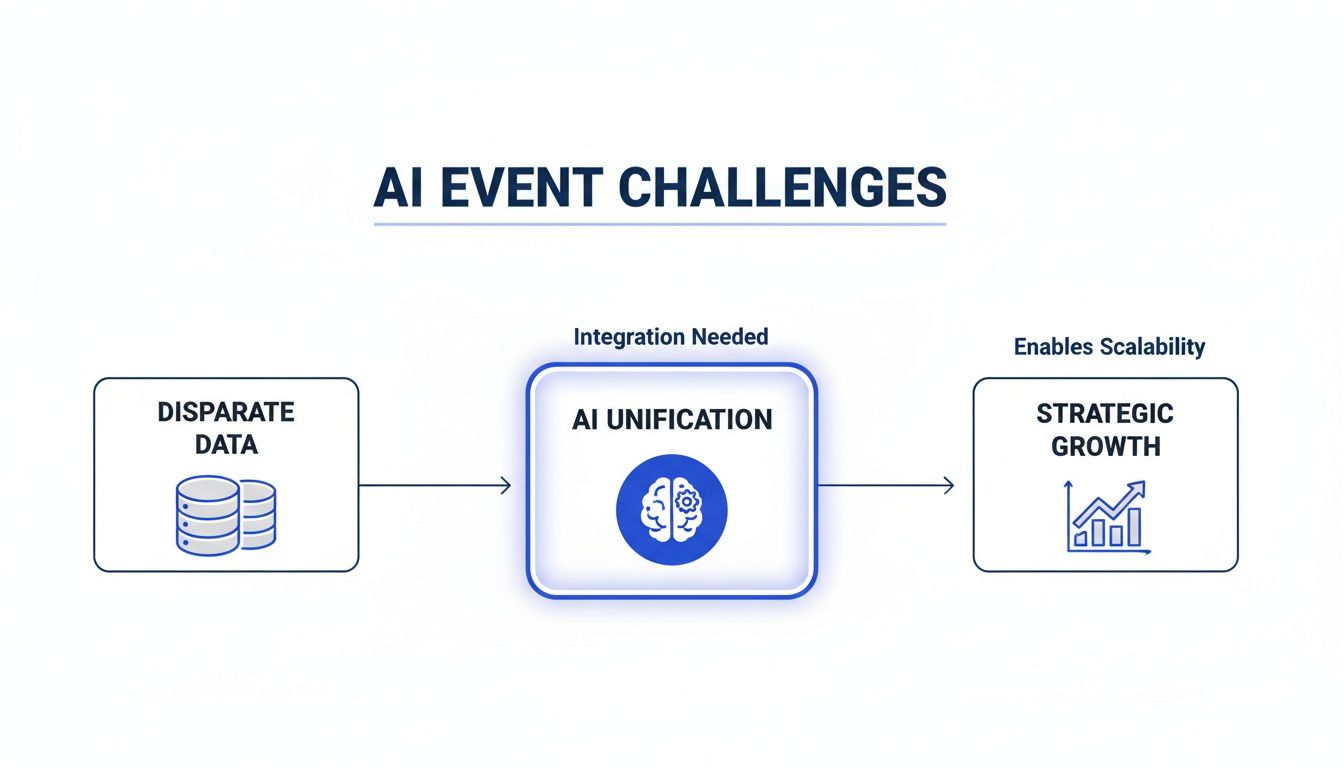
This practice is no longer just an operational headache; it is a structural barrier to revenue and growth. While we have invested heavily in tools that generate more data than ever, we have overlooked the fundamental architecture needed to translate that data into strategic decisions. The real challenge is not a lack of information but the absence of a unified intelligence layer that can reconcile disparate data points into a coherent, monetizable picture. This gap prevents leaders from seeing clear cause-and-effect between their investments and their financial outcomes, effectively capping their growth potential.
Challenging the Status Quo: From Tactical Tasks to Strategic Infrastructure
The prevailing narrative around AI for event planning has often missed the mark, focusing on tactical automations—AI-powered venue sourcing, chatbot support, or content summarization. While useful, these point solutions fail to address the core strategic problem: data fragmentation. An AI tool that can only see one part of the event lifecycle is operating with blinders on. It cannot identify your most valuable attendee cohorts, prove sponsor ROI with defensible metrics, or create personalized journeys that drive incremental revenue.
The conversation must elevate from tactical tools to strategic infrastructure. The true breakthrough is not found in adding more software but in building a decision framework that unifies the data you already possess. This framework acts as a central nervous system for your event portfolio, connecting pre-event marketing engagement to on-site behavior and post-event commercial follow-up.
When information flows freely, we can move beyond backward-looking dashboards that merely report what happened. We can begin asking forward-looking, revenue-oriented questions:
How can we identify attendee cohorts exhibiting high-intent behaviors across multiple touchpoints and monetize that interest through targeted premium offers?
How can we provide sponsors with granular, verifiable reports on engagement from specific target personas, justifying higher-tier investments?
How do we automate the transition from on-site interaction to a qualified sales lead in our CRM, demonstrably shortening the sales cycle?
Answering these questions is impossible when data remains locked in separate systems. A unified data layer is the prerequisite for transforming events from a series of logistical exercises into a predictable and scalable revenue engine. It is the infrastructure that allows AI to deliver not just efficiency but strategic clarity and financial growth.
The Monetization Gap: Connecting Cohort Visibility to Revenue
The primary consequence of a fragmented data architecture is a "monetization gap"—the lost revenue between what your attendees are willing to spend and what your siloed systems allow you to offer. Without a holistic view of an attendee's journey, even the most sophisticated event teams are forced into generic, one-size-fits-all monetization strategies. Mass emails about VIP upgrades and undifferentiated pricing tiers leave significant money on the table.
A unified decision engine closes this gap by providing deep visibility into attendee cohorts. It connects the dots that are currently invisible. For instance, an attendee who registers early, engages with pre-event content on a specific topic, and adds related sessions to their agenda is not just a "general attendee." They are a member of a high-intent, high-value cohort.
This level of clarity enables a shift from speculative marketing to precision monetization:
Intelligent Upselling: Instead of a generic upgrade offer, the system can send a targeted invitation for a paid masterclass led by a speaker that attendee is clearly following. This surgical approach dramatically increases conversion.
Dynamic Pricing and Yield Management: By understanding demand patterns across different cohorts, organizers can implement dynamic pricing strategies that maximize revenue for premium experiences, workshops, or exclusive networking events.
Proven Sponsor ROI: The greatest friction point in sponsor relations is the ambiguity of ROI. A unified system moves beyond impressions and booth traffic. It can deliver a clear report detailing precisely which attendee segments—defined by job title, industry, or company size—engaged with a sponsor’s brand. This verifiable data is the foundation for renewing and upgrading sponsorships.
This is not a theoretical benefit. This is the direct impact on Average Revenue Per Person (ARPP) and overall event profitability. By reconciling data, the AI framework reveals previously hidden revenue streams and equips leaders with the intelligence to capture them.
The Decision Framework: A Three-Phase Approach to Strategic Implementation
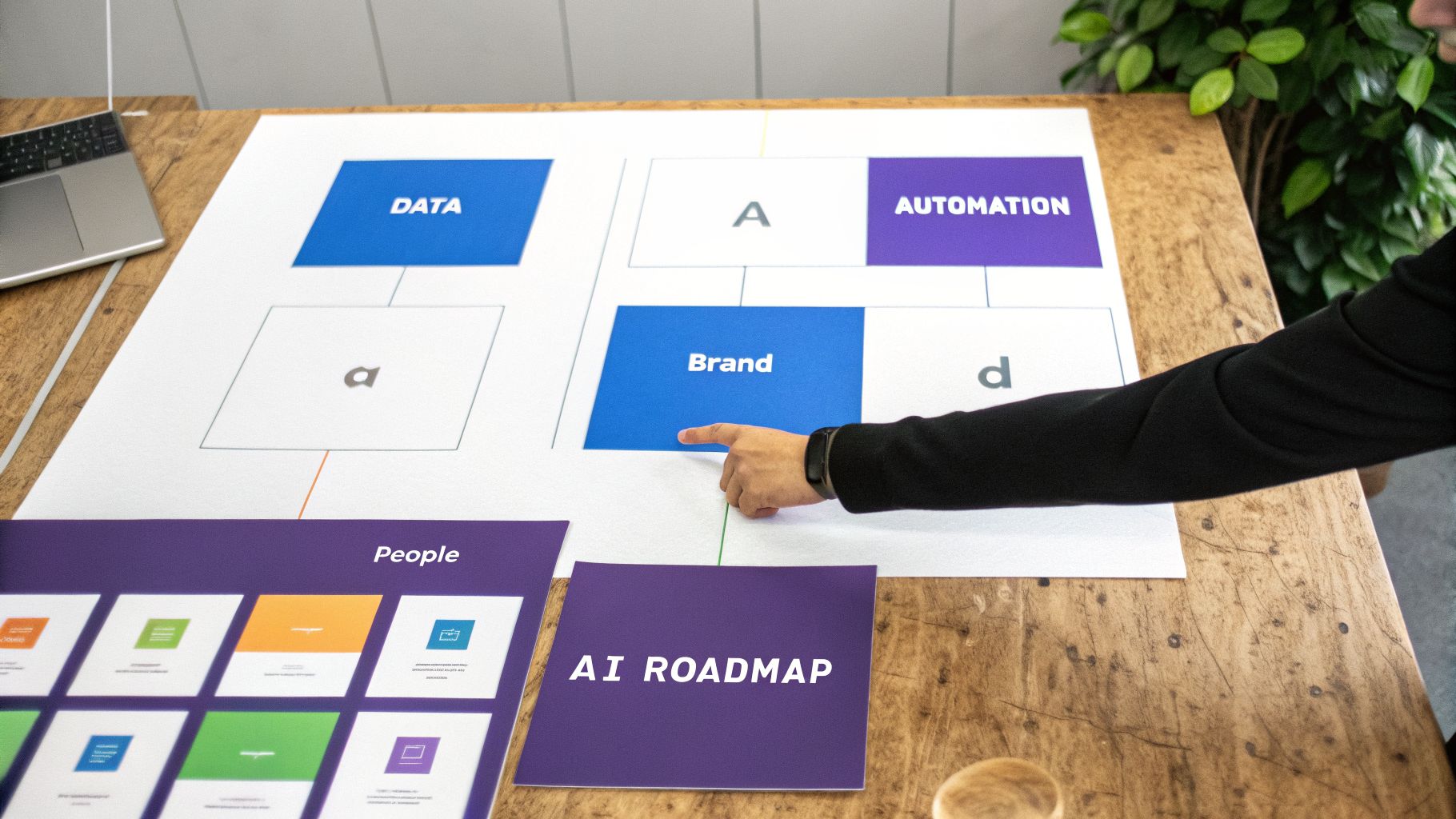
Adopting this new paradigm is not about a sudden, disruptive overhaul. It is a strategic, phased implementation designed to build momentum and deliver measurable returns at each stage. For portfolio directors and revenue leaders, this roadmap provides a structured path from data chaos to decision clarity. It is less about "installing AI" and more about building a durable, long-term asset for the business.
Phase 1: Establish the Unified Data Foundation
The first and most critical phase is establishing a single source of truth. This involves integrating your disparate systems—registration platforms, marketing automation tools like HubSpot, and on-site apps like Whova—into a central data layer. The objective is not to replace these tools but to create an intelligent conduit through which their data can be reconciled. This foundational work immediately eliminates the manual, error-prone process of data consolidation, freeing up strategic resources. This is the bedrock upon which all future value is built; without it, any AI initiative will lack the depth required for meaningful strategic impact.
Phase 2: Deploy Revenue-Focused Automation Playbooks
With a unified data engine in place, the focus shifts to automation. However, this is not automation for efficiency's sake alone. Each "playbook" should be directly tied to a commercial outcome. Instead of merely automating check-in, the system orchestrates a frictionless arrival experience that captures clean data for post-event follow-up. Instead of simply suggesting connections, it facilitates meetings between attendees and sponsors based on deep profile matching, directly enhancing sponsor value. These playbooks transform routine operational functions into strategic levers for revenue generation and attendee retention.
Phase 3: Evolve Team Capabilities Toward Strategic Analysis
The final phase concerns human capital. As AI-driven infrastructure absorbs low-value, repetitive tasks, the role of the event team naturally evolves. Planners transition from being logistical operators to strategic analysts and portfolio managers. Their focus shifts from wrestling with spreadsheets to interpreting engagement data, identifying new monetization opportunities, and strengthening high-value sponsor and attendee relationships. This requires a commitment to upskilling, empowering the team to leverage the new decision framework to drive business growth. This evolution ensures that the organization not only becomes more efficient but fundamentally smarter and more competitive.
From Operational Burden to Strategic Asset
The event industry is at an inflection point. The traditional model, defined by operational friction and data fragmentation, has reached its limit. Continuing to operate with disconnected systems is no longer a sustainable strategy for organizations focused on growth, retention, and profitability. The manual reconciliation of data is a tax on resources and a direct inhibitor of revenue potential.
The strategic imperative is to move beyond the limitations of digital duct tape and build a true decision-making infrastructure. An AI-native platform, designed to unify and interpret data across the entire event lifecycle, provides this infrastructure. It transforms event data from a dormant, siloed liability into an active, revenue-generating asset.
The true test of any AI implementation isn't how many features it has. It's how well it turns messy operational data into a clear, reliable path to revenue. This is what shifts an organization's mindset from just running events to growing the business.
This shift empowers leaders with the clarity to make confident, data-backed decisions. It provides the defensible ROI metrics that boards and sponsors demand, and it turns the event portfolio into a predictable, scalable engine for business growth. The future of events will not be defined by those who work the hardest, but by those who build the smartest, most integrated systems.
For a tangible example of this strategic shift in action, explore the outcomes achieved at the Humanic AI Summit, where a unified approach drove significant efficiency and engagement gains.
The time has come to retire the duct tape.
Ready to move beyond operational friction and transform your event portfolio into a predictable growth engine? TalkValue provides the AI-native decision infrastructure and strategic partnership required to unify operations and unlock new revenue.

FAQ